
Mastering Toilet Wax Ring Installation Like a Pro
Installing or resetting a toilet may seem straightforward, but one small part can make a big difference: the toilet seal. A properly installed seal helps create a watertight connection between the toilet and the flange, helping prevent leaks, sewer odors, and damage around the base of the toilet.
Traditional toilet wax rings have been used for years, but they can be messy and less forgiving if you need to lift or reposition the toilet during installation. That’s where the Danco Perfect Seal can help. It is designed to make toilet installation cleaner and easier while providing a secure seal between the toilet and the flange.
Whether you’re replacing an old toilet seal, resetting a toilet after a repair, or installing a new toilet, understanding the process before you start can help you avoid common installation problems and finish with more confidence.
Jump To Section
Why the Seal Matters
Why Does the Toilet Seal Matter?
The seal sits between the toilet outlet and the floor flange. When installed correctly, it helps keep wastewater and sewer gases inside the plumbing system.
If the seal is damaged, incorrectly positioned, or not compressed properly, you may notice problems such as:
Water around the base of the toilet
Unpleasant sewer odors
A toilet that rocks or shifts
Moisture damage around the flooring
The need to remove and reset the toilet
That’s why it’s important to inspect the flange, choose the right seal, and carefully position the toilet before tightening everything into place.
Perfect Seal Benefits
What Makes the Danco Perfect Seal Different?
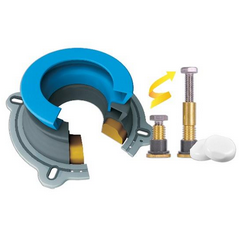 Traditional wax rings can work well when installed correctly, but they rely on exposed wax that permanently compresses once the toilet is set. If you need to lift or reposition the toilet, you may need to replace the wax ring.
The Danco Perfect Seal offers a more flexible installation experience. Its design combines rubber components with encapsulated wax to help create a secure connection without the sticky mess of a traditional exposed wax ring.
Cleaner Installation
Because the wax is enclosed, you handle less wax during installation. That can make cleanup easier, especially when replacing an older toilet seal.
Easier Repositioning
One of the most frustrating parts of setting a toilet is getting it aligned correctly over the flange bolts. With a traditional wax ring, lifting the toilet after it has been compressed can affect the seal.
The Perfect Seal provides more flexibility if you need to reposition the toilet during installation.
Fits Common Toilet Flanges
The Perfect Seal is designed to work with common 3-inch and 4-inch toilet flanges, helping simplify part selection for many residential toilet installations.
Helps Reduce Installation Guesswork
Choosing the right toilet seal often depends on flange height and the existing setup. A more adaptable seal can make installation easier when the flange position is not perfectly standard.
If you are unsure which toilet repair part you need, explore Danco’s toilet parts before beginning the project.
Repair Preparation
What Should You Check Before Installing a Toilet Seal?
A successful toilet installation starts before the new seal goes into place. Take a few minutes to inspect the existing setup first.
Check the Toilet Flange
After removing the toilet, inspect the flange carefully. Look for cracks, corrosion, loose mounting points, or other damage.
The flange needs to provide a stable surface for the toilet and bolts. If it is damaged, replacing the seal alone may not solve the problem.
Remove the Old Seal Completely
If you are replacing a traditional wax ring, remove as much of the old wax as possible from the flange and toilet outlet.
A clean surface makes it easier to inspect the flange and helps the new seal sit correctly.
Check the Toilet Bolts
Make sure the bolts are properly positioned and secure before lowering the toilet into place. Correct bolt alignment can make resetting the toilet much easier.
Check the Floor Around the Toilet
If the previous seal leaked, inspect the surrounding flooring for moisture, staining, softness, or other signs of water damage.
Finding damage early can help prevent a small plumbing repair from turning into a larger flooring problem.
Installation Steps
How Do You Install a Toilet Wax Ring or Perfect Seal?
Always follow the instructions included with your toilet seal. In general, the process includes these steps:
Installation Tips
How Can You Avoid Common Toilet Seal Installation Problems?
Many toilet installation problems come down to alignment, preparation, or tightening. A few simple checks can make the process much smoother.
Clean the Flange Thoroughly
Old wax, debris, and buildup can make it harder for the new seal to sit correctly. Start with a clean flange so you can clearly see the mounting surface.
Center the Seal Carefully
A toilet seal needs to align with the drain opening. Taking your time here can help prevent leaks later.
Lower the Toilet Straight Down
Position the toilet correctly before lowering it onto the seal. Excessive rocking or twisting can make alignment more difficult.
Tighten the Bolts Evenly
Alternate between the two sides instead of fully tightening one bolt first. This helps keep the toilet level and reduces stress on the porcelain base.
Make Sure the Toilet Does Not Rock
A toilet that moves after installation can add stress to the seal. If the toilet rocks, identify and correct the cause instead of relying on the seal to compensate for movement.
Troubleshoot Leaks
What Should You Do If the Toilet Leaks After Installation?
If you notice water around the base of the toilet after installation, stop using the toilet until you identify the cause.
Start by checking the water supply line and tank connections to make sure the water is actually coming from the base. Water can travel along the outside of the toilet and make a supply-line leak look like a seal problem.
If the leak appears to come from underneath the toilet, you may need to remove it to inspect the seal and flange again.
Look for:
Incorrect seal alignment
Damage to the seal
A cracked or loose flange
Improper toilet positioning
A toilet that rocks after installation
Fixing the source of the problem matters more than tightening the toilet bolts further.
When to Replace
When Should You Replace a Toilet Seal?
A toilet seal may need to be replaced if:
Water appears around the toilet base
Sewer odors are coming from around the toilet
The toilet has been removed for another repair
The existing wax ring is damaged or compressed
The toilet is being replaced
The seal is no longer providing a reliable connection
With a traditional wax ring, you should generally replace it rather than reuse it.
DIY Installation
Can You Install a Toilet Seal Yourself?
For many homeowners, replacing a toilet seal is a manageable DIY project with basic tools and careful preparation.
The most important part is not rushing. Shut off the water, remove the old seal completely, inspect the flange, position the new seal correctly, and test for leaks before you consider the job finished.
If the flange is badly damaged, the floor around the toilet is soft or rotted, or you are not comfortable lifting and resetting the toilet, calling a qualified plumbing professional may be the better option.
Installation Video
YouTube Video – Perfect Seal Toilet Wax Ring
Find Your Solution
Find the Right Toilet Seal for Your Repair
A leaking or worn toilet seal does not necessarily mean you need a new toilet. In many cases, replacing the seal and addressing the underlying installation issue can restore a secure connection and help extend the life of the existing fixture.
Danco offers the Perfect Seal, toilet repair kits, and other toilet parts designed to help make common DIY repairs simpler.
The right approach is simple: inspect the problem, choose the right repair part, install it carefully, and fix it; don’t replace it when the existing toilet can still do the job.
FAQs
Frequently Asked Questions
How Do You Know If a Toilet Wax Ring Is Bad?
Common signs include water leaking around the base of the toilet, sewer odors, or moisture damage around the surrounding floor. If you removed the toilet, inspect the existing seal before reinstalling the fixture.
Can You Reuse a Toilet Wax Ring?
Don’t reuse traditional wax rings once they have been compressed. If you remove the toilet, install a new wax ring or compatible toilet seal before resetting it.
Why Is My Toilet Still Leaking After Replacing the Wax Ring?
A misaligned seal, damaged flange, toilet movement, or another connection issue, such as the water supply line, may cause the leak. Identify the water source before reinstalling the toilet.
Should the Toilet Move After Installation?
No. The toilet should sit firmly on the floor without rocking. Movement can place stress on the seal and may contribute to future leaks.
Can You Install the Danco Perfect Seal Yourself?
Yes. The Perfect Seal simplifies toilet installation for DIY homeowners and professionals. Follow the included installation instructions carefully and make sure the flange and toilet are properly aligned before securing the fixture.
What Size Toilet Flange Does the Perfect Seal Fit?
The Danco Perfect Seal is designed to work with common 3-inch and 4-inch toilet flanges. Always verify your existing plumbing setup and product instructions before installation.
Find the Right Toilet Seal for Your Repair
Use Danco’s Find Parts tool to identify the right toilet repair part for your project.