What are Aerators and Why Do I Need One?
A faucet aerator is one of those small plumbing parts you may not notice until your water starts splashing, the stream becomes uneven, or the flow is not as strong as it used to be. Despite its small size, the aerator plays an important role in how your faucet uses and delivers water.
Understanding how faucet aerators work can help you improve water flow, reduce splashing, conserve water, and troubleshoot common faucet problems. The key is choosing an aerator that fits your faucet and matches how you use the sink.
With the right faucet aerator, you can improve everyday faucet performance while helping save water without replacing the entire faucet.
Jump To Section
Faucet Aerators
What Does a Faucet Aerator Do?
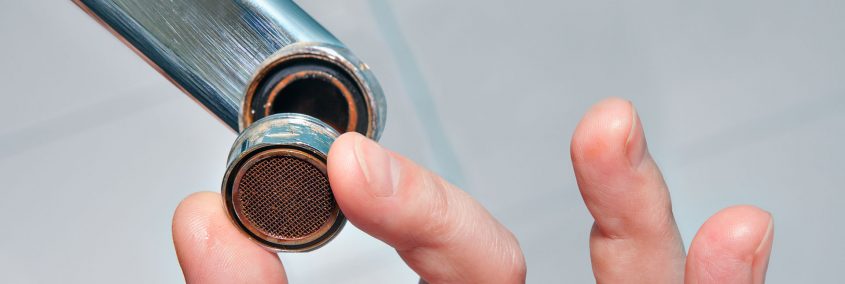
A faucet aerator is a small attachment installed at the end of a faucet spout. Inside the aerator is a fine mesh screen that separates the water into several smaller streams and mixes air into the flow.
This process reduces the volume of water passing through the faucet while helping the stream feel smooth and consistent. As a result, you can use less water without making the faucet feel noticeably less effective.
A properly selected faucet aerator can:
Reduce water consumption
Minimize splashing around the sink
Create a smooth, controlled stream
Reduce hot water usage
Catch small particles before they leave the faucet
Improve everyday faucet performance
For such a small part, an aerator can make a noticeable difference in how your faucet feels and functions.
Why It Matters
Why Would I Install a Faucet Aerator?
The two primary reasons to install a faucet aerator are to conserve water and improve the usability of the faucet.
A low-flow aerator reduces the amount of water used each time you turn on the faucet. They are one of the most environmentally friendly plumbing parts on the market. In fact, according to the EPA, installing faucet aerators is one of the most effective water-saving plumbing changes you can make.
Using less water can also reduce energy consumption. When less hot water flows through the faucet, your water heater has less water to heat. Over time, this can help lower both water and energy costs.
A faucet aerator is a simple upgrade that can improve water control while helping reduce everyday water use.
Water Savings
Do Faucet Aerators Really Save Water?
Yes. A faucet aerator can significantly reduce water usage without requiring you to replace the entire faucet.
Older or standard faucets may use up to 2.2 gallons per minute, or GPM. Replacing a 2.2 GPM aerator with a 1.0 GPM model can reduce the faucet’s flow rate by more than half, helping conserve water with every use.
Your actual savings will depend on:
The aerator’s flow rate
How frequently the faucet is used
How long the faucet typically runs
Whether hot or cold water is being used
For a frequently used bathroom sink, a lower-flow aerator can provide meaningful savings without greatly affecting daily tasks. For a kitchen sink, consider whether faster pot filling and rinsing are more important than maximizing water conservation.
Flow & Pressure
Will a Faucet Aerator Reduce My Water Pressure?
A low-flow aerator reduces the amount of water leaving the faucet, but it does not necessarily make the stream feel weak.
The aerator mixes air into the water and shapes the flow into a consistent stream. This helps maintain the sensation of useful pressure even though less water is being used.
However, an aerator cannot increase the actual water pressure supplied to your home. If the faucet’s flow suddenly becomes weaker, compare it with other faucets before deciding what to repair.
Cleaning or replacing the aerator is usually the simplest first troubleshooting step because it is inexpensive and easy to check.
Choosing an Aerator
What Aerator Should I Choose?
Not all aerators are the same, so keep the following factors in mind when searching for your faucet aerator.
Cleaning & Maintenance
How Do I Know If My Aerator Needs Cleaning?
Over time, mineral deposits, silt, and other small particles can collect inside the aerator. This buildup can interfere with the water stream even when the faucet itself is working correctly.
Common signs of a clogged aerator include:
Reduced water flow
Water spraying in several directions
An uneven or distorted stream
Visible mineral buildup
Whistling or sputtering sounds
If the problem is limited to one faucet, remove the aerator and briefly test the faucet without it. If the water flows normally with the aerator removed, the aerator is probably clogged or damaged.
When To Replace
When Should I Replace My Faucet Aerator?
Cleaning is often enough to restore normal flow, but replacement may be the better option when:
The mesh screen is torn or damaged
The threads are worn or cracked
Parts of the aerator are corroded
Cleaning does not restore an even stream
The aerator no longer stays securely attached
You want to switch to a more water-efficient flow rate
You want a different stream pattern or swivel function
Replacing an aerator usually takes only a few minutes and is one of the simplest DIY faucet repairs.
Everyday Use
Can I Use My Faucet Without an Aerator?
A faucet can operate without an aerator, and briefly removing it can help determine whether the aerator is causing a flow problem. However, leaving it off permanently is usually not ideal.
Without an aerator, the faucet may:
Use more water
Splash outside the sink
Produce a rough or poorly controlled stream
Use more hot water
Make everyday washing and rinsing less comfortable
One exception may be a utility faucet primarily used to fill large buckets or containers, where maximum flow is more important than splash control. For most bathroom and kitchen faucets, a properly selected aerator provides a better balance of comfort, control, and efficiency.
Find Your Solution
Find the Right Faucet Aerator for Your Next Repair
The right aerator should fit your faucet and support the way you use the sink. Start by confirming the thread type and size. Then consider whether your priority is conserving water, filling containers quickly, improving rinsing coverage, or directing the stream more easily.
Danco offers replacement faucet aerators in a range of sizes, flow rates, and stream styles for many common residential faucets. Explore Danco’s faucet aerators or use the Find Parts section to identify the right replacement for your next DIY plumbing repair.
FAQs
Frequently Asked Questions
How do I know which faucet aerator is right for my faucet?
First, identify the faucet’s thread type, aerator size, and spray style. Next, consider how the sink is used. A lower flow rate may work well for handwashing, while a higher flow rate may be more practical for filling pots or washing dishes.
Are faucet aerators universal?
No. Faucet aerators come in different thread types, sizes, flow rates, and designs. Some faucets also use recessed or cache aerators that require a specific replacement and removal key.
How often should I clean my faucet aerator?
Inspect and clean the aerator whenever the flow becomes weak, uneven, or begins spraying in different directions. In homes with hard water, cleaning it every 6 to 12 months can help prevent mineral buildup.
Can a clogged aerator cause low water pressure?
A clogged aerator can reduce the flow from one faucet and make it seem as though the water pressure is low. If other faucets operate normally, clean or replace the affected aerator before investigating a larger plumbing problem.
Can replacing my faucet aerator lower my utility bills?
A low-flow aerator can reduce both water use and hot water consumption. The amount saved depends on the selected flow rate, how frequently the faucet is used, and how long it typically runs.
Should I choose the lowest available flow rate?
Not necessarily. Choose a flow rate that matches the faucet’s main purpose. Very low flow may be suitable for handwashing but inconvenient for filling pots, washing dishes, or other tasks that require a larger volume of water.
Find the Right Faucet Aerator
Need help choosing the right size, thread type, flow rate, or stream style? Danco makes it easier to find the right replacement so you can fix it, not replace it.